
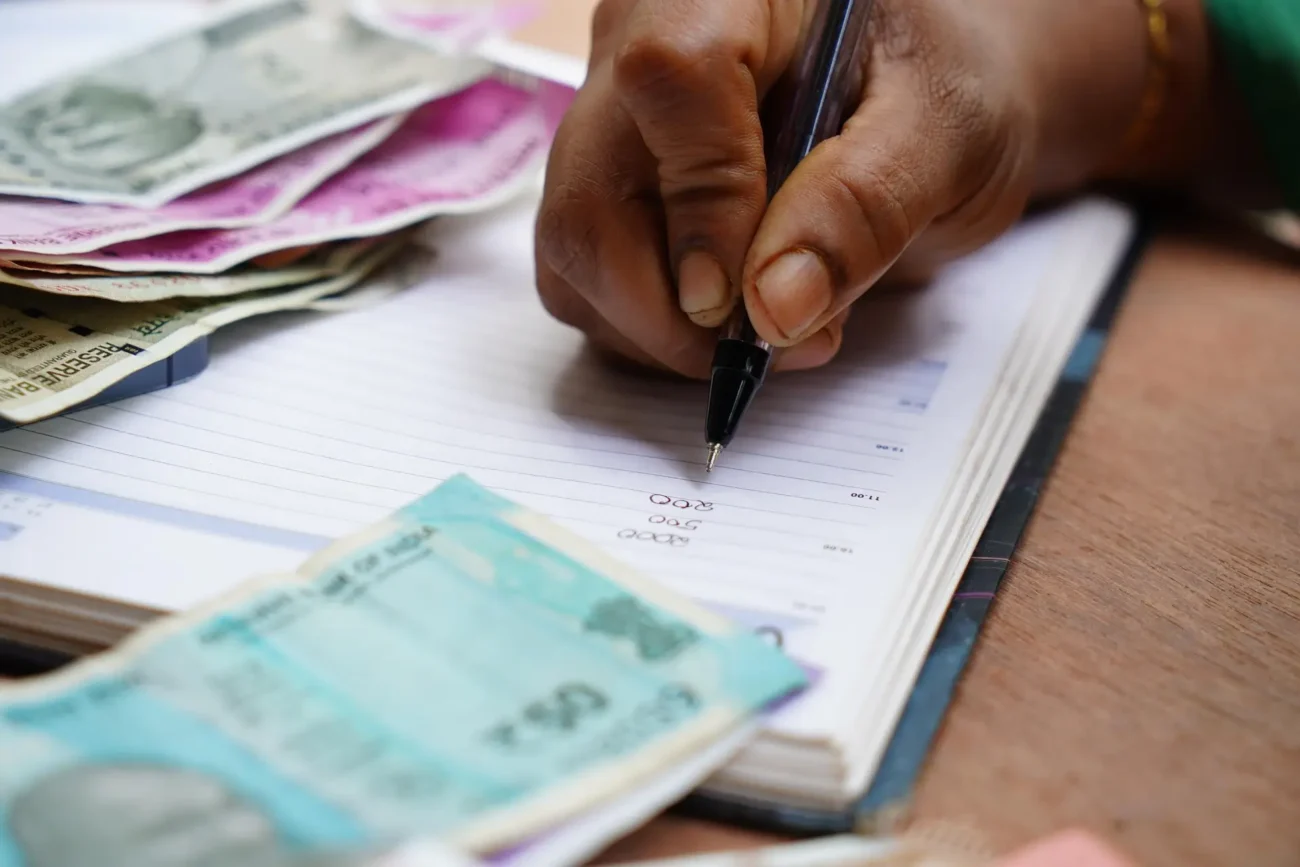
The importance of Personal Finance.
Money management is more than just about getting rich. It is concerning establishing stability, lessening pressure, and having control over your future. Most of the population makes a good income and yet they end up being broke at the end of each month, as money goes away faster than it comes. That occurs when we are not spending in a controlled manner, debt is creeping and savings are never taken. Personal financial habits can get you out of that cycle and out of confusion, and in their place, you can find clarity.
Consider your money in the form of a garden. Weeds grow everywhere, should you not pay any attention to it. Bills accumulate, debts grow and crises get out of control. When you tend to it, even the small processes such as budgeting and saving would start to develop into something worthwhile. It does not take a huge wage to better your financial situation. You require order, regularity and time.
A new trend in the world has been increasing the number of people who are focusing on emergency savings and side income due to the strains of inflation and the increasing cost of living. This implies that personal finance is no longer a luxurious subject. It is both a survival skill and a growth skill.
Know Where Your Money Goes
Know Where Your Money Goes
Awareness is the initial stage in improving money management. What you do not measure, you cannot fix. Most individuals are aware of their earnings at the end of the month but fail to give a breakdown of what was spent on rent, food and bills. That loophole typically conceals subscriptions, impulse, and convenience spending, and ad hoc habits.
Begin by listing various sources of income. Add salary, freelance, business, or rental income or occasional cash jobs. Then enumerate all the expenses in the past 30 days. Do not make an estimate, wherever possible, use bank statements, mobile wallets, and receipts. It is the reality that is shocking.
Break down costs into groups as follows:
- Housing
- Utilities
- Food
- Transport
- Debt payments
- Entertainment
- Shopping
- Savings
- Miscellaneous
Money is not exciting after you notice certain patterns. You will find that a little day-to-day expenditure will exhaust a single bill of large denomination. The leak in the boat can be a couple of coffees, the delivery charges or accidental online shopping. Following up the expenditures puts the ability on your hands to close the holes before it soaks your progress.
Build a Realistic Budget
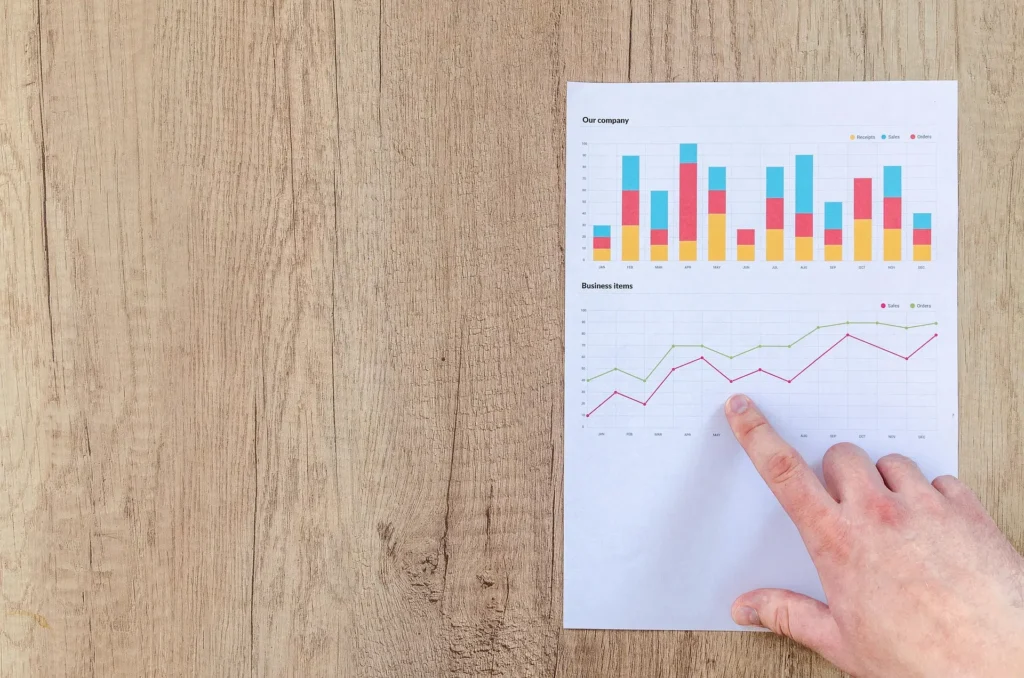
A budget is not punishment. It is permission with boundaries. It tells your money where to go instead of wondering where it went. The biggest mistake people make is creating fantasy budgets that look perfect on paper but fail in real life. A useful budget must fit your actual lifestyle.
One popular method is the 50/30/20 rule:
| Category | Suggested Share |
| Needs | 50% |
| Wants | 30% |
| Savings / Debt Repayment | 20% |
Examples of needs are rent, food, transport, and utilities. Among the wants are entertainment, dining out and hobbies. Savings comprises investments, emergency and additional debt payments.
Change the percentages when you have a tight income. The principle is more important than the very figures. Assign all the dollars, rupees, pounds to work. As soon as additional funds are received, determine what to do with it. The easiest money to lose is unplanned.
Review your budget monthly, Life changes, Prices rise, Income changes. A budget should move with reality, not remain frozen like an old photo.
Save Money Consistently
It is not the amount of money that is saved but more of a habit. Saving at the end of the month normally does not work as majority of individuals spend the leftover. It is always the smarter thing to save and then spend the remaining.
Start with an emergency fund. Goal: One month of necessities then three to six months in the long run. This fund will save you in case of loss of employment, car repairs, hospital bills or emergency family situations. Emergencies that lack savings are usually in form of debt.
Automation is to be used wherever feasible. Automotically transfer amount on receipt of income. And the little automatic savings go. Saving 100 a month might not seem like much, but it all adds up. Discipline becomes identity.
Here are simple saving tactics:
- Cook more food at home
- Cancel unused subscription
- Compare Fees Before You Buy
- Use the 24-hour waiting rule for impulse purchases
- Buy quality items less often
- Save windfalls like bonuses separately
Saving is like building bricks one by one. One brick looks small. A thousand bricks become a house.
Handle Debt Wisely
Debt is not necessarily a bad thing. A reasonable mortgage, business loan or education investment would be fruitful. However, consumer debt with high-interest rates can undermine financial gains silently. Balance in credit card, payday loans, and misuse of buy-now-pay-later are some of the traps that can be costly.
There are two typical repayment strategies:
| Method | How It Works | Best For |
| Snowball | Pay smallest debts first | Motivation |
| Avalanche | Pay highest interest first | Saving money |
The snowball method gives quick wins. The avalanche method is mathematically stronger because it reduces interest faster. Select the one that you will follow in practice.
Always pay minimum on all the debts then concentrate additional funds on one of the target debts. Always be careful with taking new debt when you are paying old balances. When the rates are high, only in case the terms are really better, then refinance or consolidate.
Debt is a burden since it robs present earnings. Any payment that pulls out the principal is as a pull of stones out of your bag pack.
Grow Your Wealth
Managing money well is not only defensive. It must be offensive, too. When budgeting, saving and debt control are under control, begin accumulating wealth. That means using money as a tool that works while you sleep.
Basic wealth-building options often include:
- Retirement accounts
- Index funds
- Dividend stocks
- Business investment
- Real estate (when affordable and researched)
- Skill development for higher income
Compounding is an advantage of long-term investing. It implies returns that yield more returns in the long run. It may be tedious initially, like the drying paint. Then a few years later, developments are dramatic.
Income growth is not to be disregarded. Reduction of costs is limited but a rise in earnings can transform all. Demand salary increases, acquire in-demand skills, become a freelancer, or develop digital products. An increased income accompanied by intelligent practices enhances the generation of wealth.
Protect Your Finances
Without protection, a good financial life may be ruined in a short period of time. Insurance, fraud prevention, and planning are important than many individuals may assume. A lawsuit, medical problem, theft or scam can wipe out years of work.
Important protections include:
- Available health insurance.
- Coverage of vehicles or homes as applicable.
- Two-factor authentications and strong passwords.
- Separate emergency savings
- Revised benefit forms or beneficiaries.
- Safe record keeping

Be suspicious of assured returns or pressing investment opportunities. When something sounds too good to be true, then it is. Fraudsters capitalize on feelings of fear, greed, urgency and trust.
Yourself avoid lifestyle inflation. When income increases, lots of individuals upgrade all of that instantly and remain impoverished. Rather, save and invest more, and indulge in selective lifestyle improvements.
Earning more does not help create financial security. It is built by defending what you already built.
Conclusion
One of the best life skills that you can acquire is learning how to manage personal finances in a better way. It allows you to have your freedom now and in the future. You are not required to be perfect, do high-level math or have a giant income to be successful. You must have definite habits which are practiced regularly.
You can learn to discipline your funds, create a budget on reality, save on autopilot, manage debt, increase income, invest on a regular basis and preserve what you create. Such measures might appear to be straightforward, yet straightforward done time and again is better than complicated done infrequently.
Fitness is similar to money management. A single workout does not make a big difference. There are hundreds of exercises that change a life. One intelligent step per week, then the next. The rate of progress is faster than expected by most people.
FAQs
1. What is the initial action to take in personal finance?
Monitor your revenues and expenditures during 30 days. The basis of any financial improvement is awareness.
2. What amount of money should I save monthly?
At least 20 percent, preferably, is a typical goal, but any amount that is regularly applied is an improvement over nothing.
3. Which do I pay or save first?
Normally do both: save a little emergency cash and pay off big debt with a high interest rate.
4. What can I do to prevent over-spending?
Budget, eliminate triggers, wait 24 hours to buy non-essential items and monitor all expenses.
5. Is investing safe, is it a risk?
Every investing is risky, but long term diversified investing is usually safer than speculation or inactivity over the years.
If you like this Article or get some informations that you are looking in this article then write “Happy” In the comments section If Not satisfied please then also let us know in comments so we can improve the content quality.
Visit abd4you.news for more content.

One thought on “How to Manage Personal Finances Better”